Listen, we all get a shaky hand every once in a while. And, for some of us, that “while” may be, well, every day.
But it’s totally normal, and very common.
It’s frustrating to deal with a shaky hand when you’re trying to paint intricate details. However, there are some simple things you can try to lower the shakiness. And, yes—it goes farther than “cutting out caffeine”.
So, watch this full video on the topic, or scroll down to read more tips.
VIDEO: 6 Tips to Beat Shaky Hands for Painters
Now, here are some of the tips covered in the video.
1. Hold & Move Your Hand in a Supportive Way
If your hand shakes a lot while you paint, you can try changing the way you physically hold your hand to decrease it. Try resting your wrist on a sturdy surface to steady it (note that this one works if you paint on a table—not an easel).
I also recommend painters paint from left to right (if you’re right handed), or right to left (if you’re left handed). This ensures that you won’t drag your wrist through areas you already painted and smear them.
2. Use a Small, Fine Tip Brush
Using a smaller brush makes it less likely that you will splatter or smear your paint with your brush when your hand starts shaking. It also makes it easier to make fine details, regardless if your hands shake or not.
I recommend using a small, roundhead brush that comes to a fine point for those super tiny details.
3. Switch from a Brush to a Marker
Now, this is a tip you probably haven’t thought of…
If you have black outlining to do in a painting, try doing it with a Sharpie or other simple black marker instead of your paintbrush. Markers are usually easier to control since we don’t have to worry about how hard we press the tips of them against the canvas.
This also works for other black details in any painting you do, and you can use colored markers if you have colored details. And it’s totally not cheating—you can swap for a marker whenever you think you can benefit from it!
4. Practice Small, Thin Lines
Practice, practice, practice—that’s what painting is all about, right?
It helps, when you have a shaky grip, to practice making those thin lines on a separate piece of paper before you attempt them in your paintings. Go slowly with your practice, and you might find new ways to decrease your shaking as you go.
5. Try Hand Exercises
Now, here’s another tip you likely haven’t thought of: hand exercises.
Our hands are full of muscles, after all, and training those muscles can make it easier to control them when we paint. It’s kind of just science!
So, take time a couple sessions a week to practice “gripping” something. You can squeeze a stress ball or use a hand grip trainer (there are actual exercise devices for that out there!). Just make a consistent routine and stick to it if you want to see results.
6. Have Patience
Perhaps the most important tip I have for you is this: just be patient with your hands.
Nobody is perfect, and no body is perfect. Our hands are, really, amazing tools that we can use to do and perform so many things. And, if they happen to shake a little, no biggie—just do what you can, and take breaks as needed to keep yourself patient.
Now, are you feeling inspired to start painting?
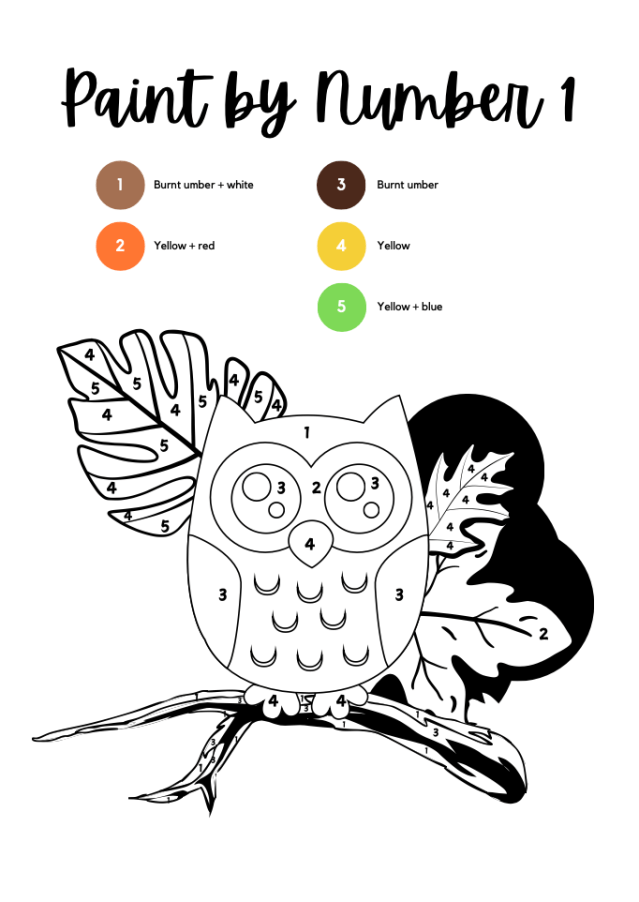
I sure hope so, because I have a very special offer to share with you right here and now. And it’sss… a FREE painting journal/workbook!
Check it out—it’s full of step-by-step worksheets, how-to guides, and so much more. All you need to download it (and print it as many times as you’d like!) is provide your e-mail address after hitting the button below.



Remember, your hands are your hands—and it’s totally normal for them to shake. Just try to minimize the shaking as best as you can, and never stop painting.
–Kari

 Kari Lynn M.