Welcome, fellow artists, to a guide on the “top rule” of selling your art. And, I’ll tell you right now—it’s extremely simple, but so, SO effective.
And, actually, it’s all about who is buying your art.
Below, you’ll find a full video covering 9 tips on implementing this one “secret” (not really) rule, and it’s all to help you make more art sales, whether you’re a painter, a sculpture, or another type of artist.
Watch the video, then scroll down to read each of the tips (and take notes!).
VIDEO: The #1 Rule to Sell More Artwork
Now, here are the 9 tips covered in the video. And, of course, scroll all the way down to see the FREE Business Plan for Artists!
1. Switch to a “Customer-Focused” Mindset
The golden rule of selling your art is all about focusing on your customers… so, that’s just what you gotta do!
However, it’s a lot more involved than just saying, “okay, yeah, I think about my customers.” It’s more of a total mindset—you have to think about your customers every time you make a business decision, whether it’s what paintings you’re going to do next or how much you’re going to price a ceramic piece for.
So, start thinking about and implementing your customers in every step of creating and running your art business. It is a business, after all, and customers are what make a business run!
2. Change from “I” to “You”
Now, one way you can really start focusing on your customers is by changing (again) your mindset… from the “I” mentality to the “you” mentality.
Speak directly to your customers about them and their interests in art—remember that it’s not always about you. Focus on what they need and want out of your art, not what you want to get out of your own art.
And here’s an example of this mentality in action… notice how I, the writer typing and speaking to you directly right now through this web page, have not referred to myself once in this whole article?
Ah, I know—fourth wall broken! But, listen, that’s what it’s all about. I, as the writer, am putting my interests and needs aside to “sell” you this blog post—and I’m just going all-in on speaking to you.
3. Put Yourself in the Customer’s Place
You can also put your customers at the forefront of your mind by physically putting yourself in “your customers’ shoes”. You know that old saying, right?
Well, putting yourself in the place of one of your customers can help you understand what it is they must like about your art. If you don’t have many customers or don’t know your customers right now, just imagine what one of them would be like. And what do they like about your art—do you think they like the abstract qualities of your paintings, or maybe do you think they enjoy talking about your art as a “conversation piece”?
This tip is really difficult to master, so just take your time with it. It also takes a lot of imagination, but that’s what we artists excel at using!
4: Make Useful Items
This tip (and all of the following ones) are kind of optional for you.
If you can, though, try coming up with and making new art pieces that are very useful or functional for your customers. Because, let’s face it, we as humans like to touch things—and some of our professional-grade paintings are just meant to be viewed, not touched.
Implementing this tip is going to take a lot of creativity, but, again, isn’t that what we possess as artists?
Some examples that I show you in the video above are things I’ve done with my own art to make them more “useful” for customers. And this includes uploading and printing my paintings and designs to put on bags and accessories, including tote bags and even scarfs. You can, of course, do this yourself (as I do—and let me know if you would like a more in-depth tutorial of that in the comments below!) or use a third-party printing service.
5: Use All Your Skills
You might possess more skills than you think—and those skills can be used to upgrade your art-selling business.
Again, this takes a lot of thought and a bit of creativity, but think hard about some things you can do aside from creating fine art. For example, in the video, I describe my skill of sewing, which I overlooked until I realized I could utilize it to make those bags and accessories I wanted to print my artwork on!
Maybe you used to dabble in web design; use that to fashion a new, eye-catching website for your art shop. Maybe you think of yourself as a bit of a foodie; come up with a way to combine your knowledge of cuisine with your art (I mean, handmade charcuterie boards, anybody?).
6: Find Out What Customers Like
Just like we already mentioned, it helps to know your customers’ interests and likes. But, how can you really go about finding out more about them?
Again, get creative and find new ways to explore your customer base, or your potential customer base. Conduct surveys, or look at what people are buying from similar artists. As mentioned in the video, one way to do this is by attending art fairs and festivals, then sort of spying on what other art vendors are selling. Don’t copy their designs, of course, but see what products sell the best!
7: Personalize the Customer Experience
Making your customers feel special is going to make them more likely to buy art from you, or buy even more art from you.
A lot of artists like to write personalized “thank you” cards to give to their customers after a purchase is made. Others may just show an interest in their customers by asking them what they think of a certain piece. In any case, just make your customers feel welcome around you and your art.
8: Make Customers Come Back
Along with the previous tip, making customers feel great about you and your art is going to make them want to come back and, perhaps, buy even more art later.
You could also give out coupons to entice customers to return to you later for more sales.
9: Connections Come Before Sales
Now, here’s the final, and perhaps, more important tip… remember that it’s not always about making sales.
I know, I know… this whole article is about making sales, isn’t it?!
But, listen… making connections with your customers is far more important than making immediate sales. After all, making a great connection with someone now may make them come back again later, which then could lead to a sale.
Just don’t be too pushy when it comes to selling your art. Customers don’t want the “car salesman” vibe from you when they’re trying to calmly peruse artwork. They just want to feel chill, see what you have to offer, and have a chat about the art world with a real artist!
BONUS: Download the FREE Business Plan for Artists
Now, here’s a bonus for you… it’s a totally free business plan tailored just for artists! Ah!
Just as mentioned in the video, this plan is full of worksheets that are going to help you discover who you are as a business person (because artists don’t typically like to be “business people”) and how to best grow your art sales.
Just click below for the free (and safe, I promise!) download—there’s no strings attached, and you are free to save and/or print it as much as you’d like.

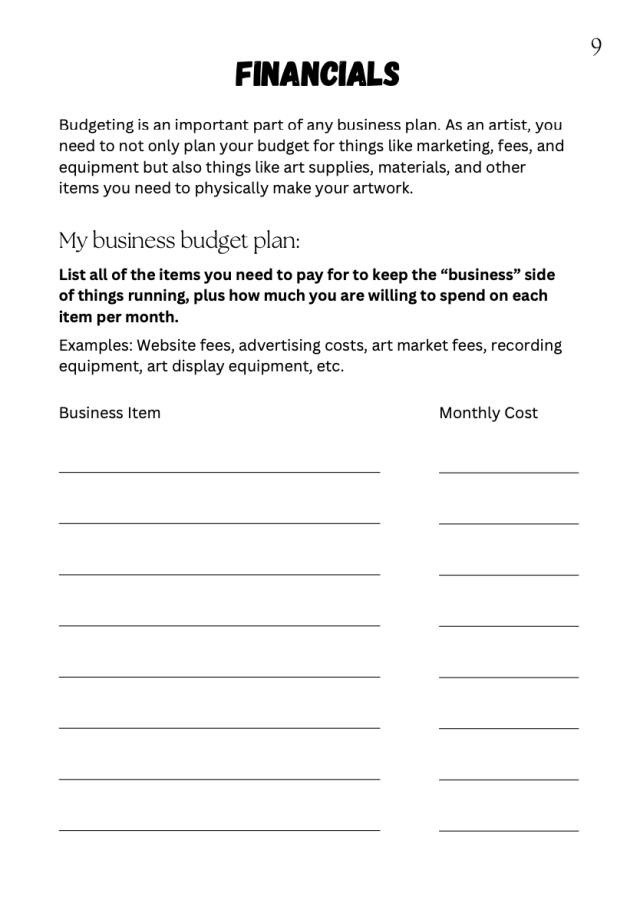


This business plan guide is brought to you by Canvas Academy, your guide to becoming the best artist you can be. Check out all of the painting classes and courses now provided on this amazing platform!
Now, let me know, artists, in the comments below if you’d like any additional help or tips to sell your artwork. I’m a professional artist here to help you reach your goals in the art world!
–Kari

 Kari Lynn M.
Pingback: 7 Tips to Sell Custom-Made Art | How to Take Custom Requests from Customers – Kari Lynn M.